
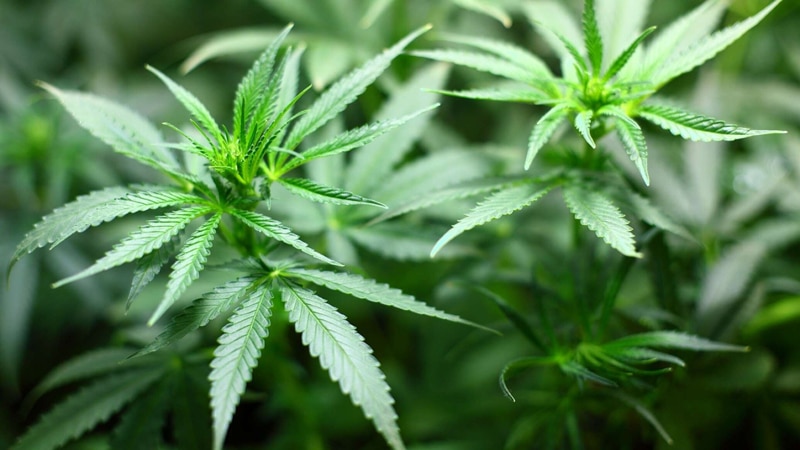
Regulation of Cannabis in the Netherlands: Policy Evolution and Current Experiments as of 2025
By 2025, the Netherlands continues to transform its drug policy through a series of large-scale experiments aimed at legalizing the regulated circulation of cannabis. These initiatives are designed to resolve the legal contradictions that have persisted since the 1970s, when the sale of marijuana in coffee shops was decriminalized but its commercial production remained illegal. Pilot projects in 10 municipalities demonstrate a shift from tolerance to systematic regulation—from quality control to combating the shadow economy.
Historical Context of Dutch Drug Policy
The Dutch approach to cannabis was shaped in 1976 with amendments to the Opium Act, dividing drugs into “soft” and “hard” categories. This model, known as gedoogbeleid (policy of tolerance), allowed coffee shops to sell up to 5 grams of marijuana per person, provided there was no advertising and no sales to minors. However, the absence of legal supply channels forced coffee shop owners to purchase from criminal networks, creating a “grey area” paradox.
Legal Reforms 2017–2024
Attempts to legalize production began in 2017, when the House of Representatives approved a bill to legalize cannabis cultivation. Despite initial enthusiasm (77 votes in favor, 72 against), the Senate blocked the bill, where the ruling coalition lacked a majority. A breakthrough occurred in December 2023 with the launch of the “Closed Supply Chain” experiment in Breda and Tilburg. Municipalities were allowed to create legal plantations to supply local coffee shops, storing up to 500g of cultivated product.
Structure of Current Experiments (2024–2025)
By June 2024, the pilot project expanded to 10 cities, including Groningen, Arnhem, and Maastricht. During the transition phase, coffee shops could sell both regulated and “tolerated” cannabis, but by April 2025, they fully switched to legal supplies. This required creating a complex infrastructure:
Quality Control and Production Standards
Licensed producers, such as Hollandse Hoogtes, have implemented pharmaceutical standards. Their greenhouses in Bemmel test products daily for 28 parameters—from THC content to heavy metals. “We conduct a full analysis of microorganisms, cannabinoids, terpenes, yeasts, and anaerobic bacteria,” explains head grower Benjamin Selma. In contrast, unregulated black-market marijuana often contains pesticides and mold, as evidenced by RIVM (National Institute for Public Health) data.
Logistics and Distribution
- RFID tags on every plant
- Humidity control during transportation
- Biodegradable packaging with QR codes
Producers are required to use renewable energy, reducing the carbon footprint by 40% compared to illegal greenhouses.
Economic Consequences of Regulation
The introduction of legal supply chains has created new job markets—Hollandse Hoogtes alone employs 120 people with above-average industry wages. Municipalities receive up to 15% in taxes from coffee shop turnover, directing these funds to rehabilitation and youth programs.
Comparison of Models in Different Cities
| Municipality | Number of Coffee Shops | Average Price per Gram | Share of Legal Market |
|---|---|---|---|
| Breda | 12 | €9.50 | 98% |
| Maastricht | 8 | €10.20 | 95% |
| Groningen | 5 | €8.90 | 88% |
Data as of April 2025, according to Ministry of Justice reports
However, the switch to legal products has increased retail prices by 20–30%, which has led to a rise in informal sales in border areas.
Social and Legal Aspects
The experiments have impacted crime rates. In Breda, drug-related offenses dropped by 37% in 2024, but in Amsterdam (not part of the project), street trade increased by 15%. This confirms the “displacement effect”—illegal activity shifting to less regulated areas.
Changes in Consumer Behavior
- 68% of buyers prefer legal cannabis for safety reasons
- 54% are willing to pay more for certified products
- 29% have reduced consumption due to transparent THC labeling
International Context
German legalization in 2024 increased pressure on the Netherlands. Border coffee shops faced an influx of “drug tourists,” prompting a cap for foreigners—no more than 30% of total customers. Meanwhile, Belgian authorities tightened border controls, confiscating 240 kg of marijuana intended for re-export in the first quarter of 2025.
Outlook and Recommendations
By 2026, the government plans to extend the experiment to 25 municipalities. Key objectives:
- Unify quality standards at the national level
- Integrate with healthcare systems for long-term effect monitoring
- Create export protocols for medical cannabis
The Dutch experience shows that regulated legalization is possible but requires a comprehensive approach—from agrotechnology to international cooperation. As Justice Minister Dilan Yeşilgöz noted: “We can no longer ignore the paradox where sales are allowed but production is prosecuted. This experiment is a step towards systemic integrity.”
Read more: Extra fees, high fines. Popular cities are struggling with mass tourism in Amsterdam